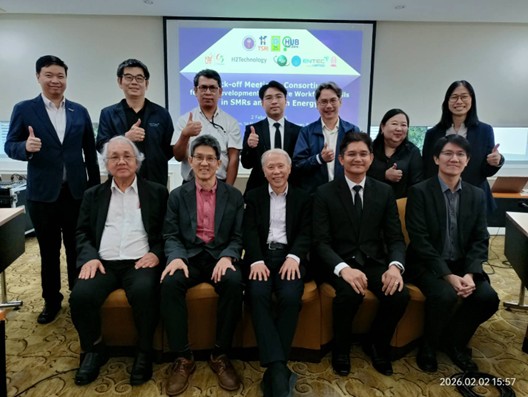
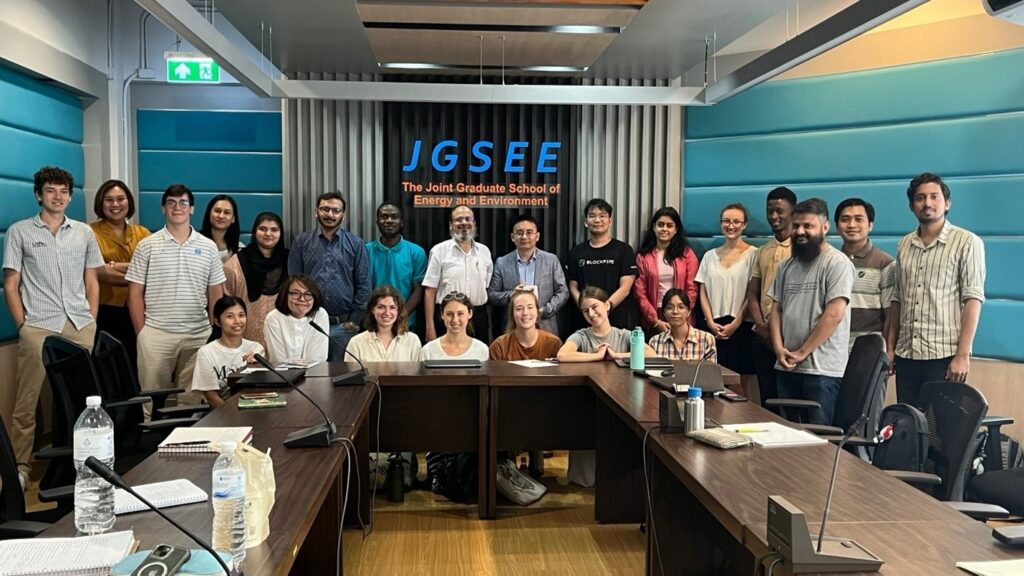
The consortium brings together key institutions, including H2Technology, the Office of Atoms for Peace (OAP), the Thailand Institute of Nuclear Technology (TINT), the National Energy Technology Center (ENTEC), Chulalongkorn University, and the Joint Graduate School of Energy and Environment (JGSEE-KMUTT), which serves as the consortium coordinator.
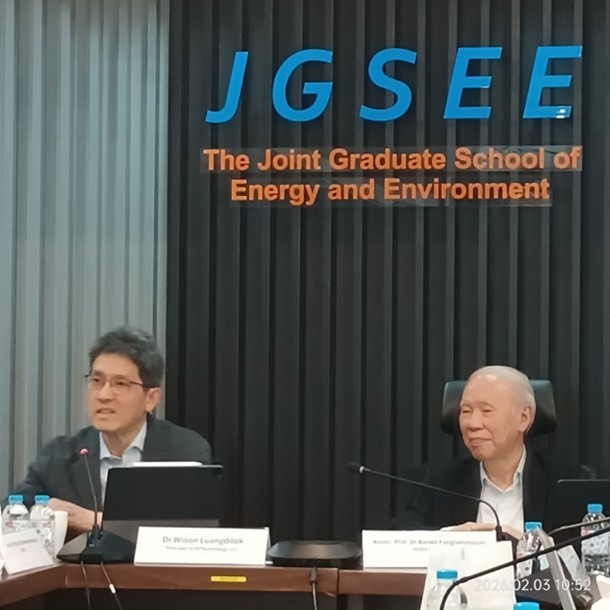
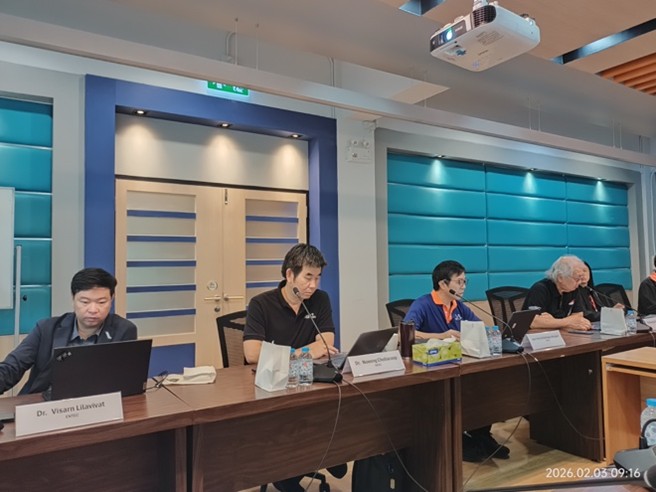
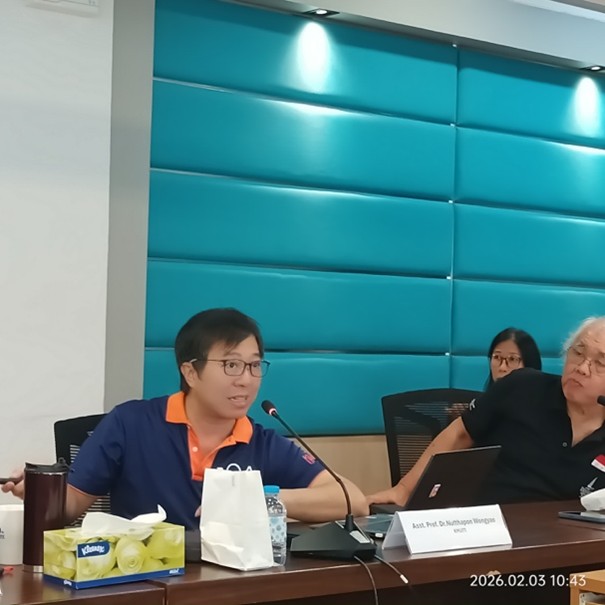
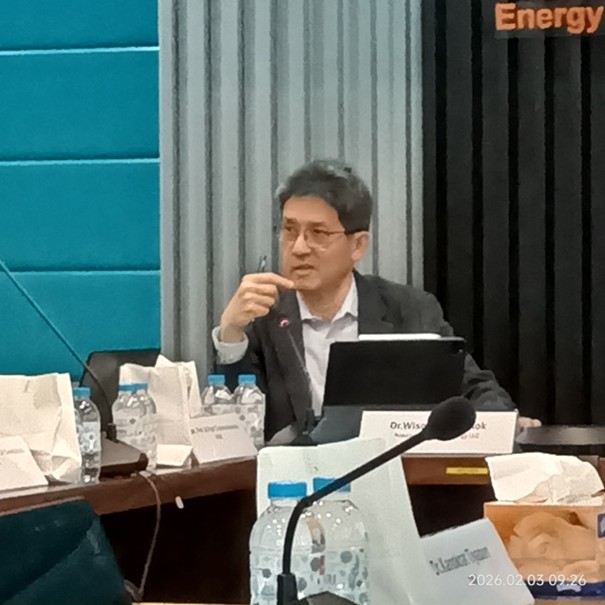
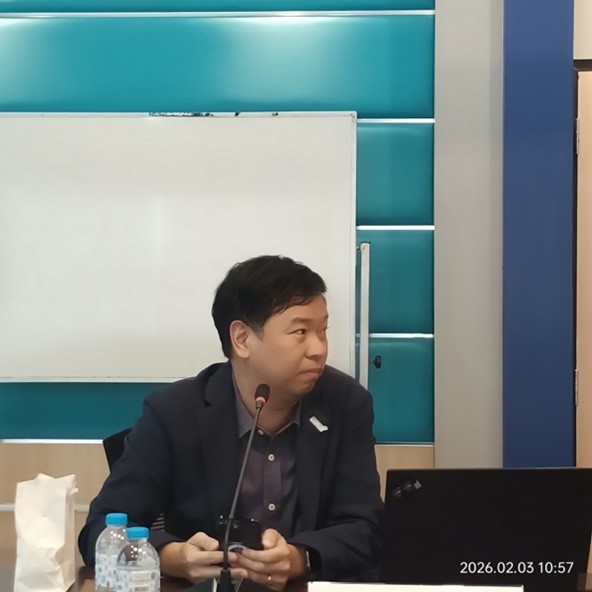
The meeting was attended by senior leaders and experts from consortium members, including Dr. Wison Luangdilok, Principal of H2Technology; Assoc. Prof. Dr. Bundit Fungtammasan, Advisor to the President of KMUTT; Prof. Dr. Navadol Laosiripojana, Director of JGSEE; Dr. Thawatchai Onjun, Executive Director of TINT; Dr. Wasin Vechgama, TINT; Assoc. Prof. Dr. Somboon Rassame, Head of the Department of Nuclear Engineering at Chulalongkorn University; Dr. Nuwong Chollacoop, Director of the Low Carbon Energy Research Group at ENTEC; Dr. Pantip Ampornrat, Nuclear Engineer at OAP; Assoc. Prof. Dr. Pipat Chaiwiwatworakul, JGSEE; Dr. Boonrod Sajjakulnukit, JGSEE; and Assist. Prof. Dr. Piyatida Trinuruk Kaewchinda, KMUTT. Assoc. Prof. Wongkot Wongsapai, Vice President of the Office of the National Higher Education, Science, Research and Innovation Policy Council (NXPO), also participated in the meeting. NXPO serves as a key strategic partner supporting the consortium’s direction and policy alignment.
During the meeting, members discussed and agreed on key elements of the collaboration, including the consortium’s objectives, scope of activities, governance and coordination arrangements, as well as the roles and contributions of each member organization. Initial priority initiatives were identified, notably the design of training curricula for workforce skills development and the preparation of a white paper.
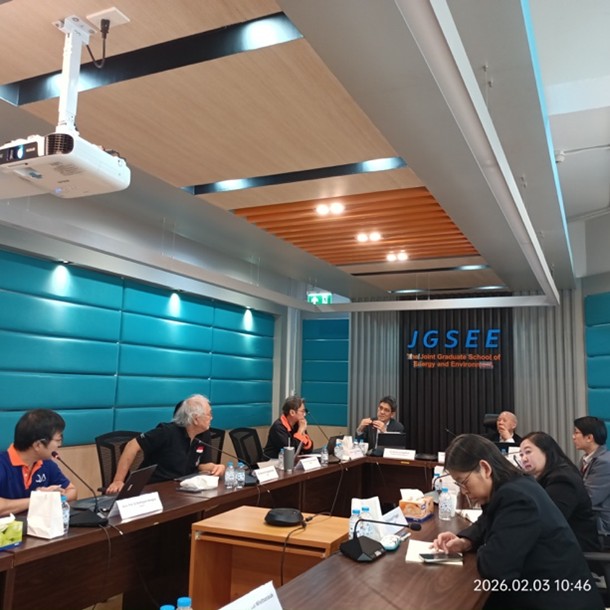
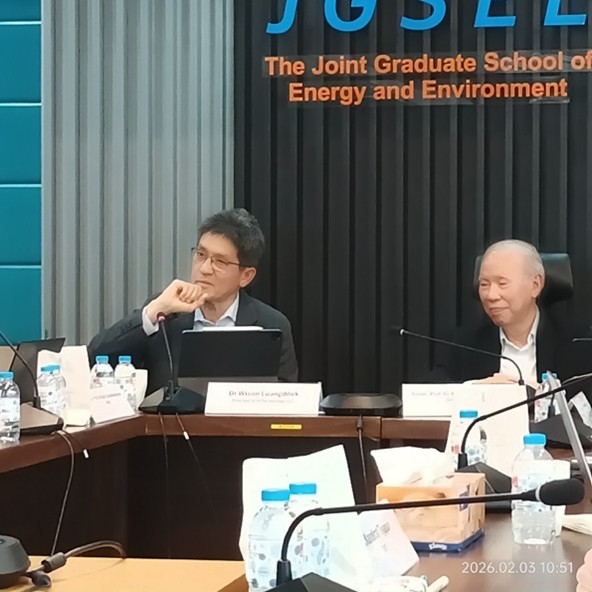
Consortium members reconvened on 3 February 2026 for two expert-level workshops.
The morning session focused on a brainstorming potential co-authorship of a white paper aimed to providing strategic foresight and guidance for stakeholders for the future deployment of SMRs and related clean technologies, supporting the decarbonization Thailand’s industry and economic transformation.
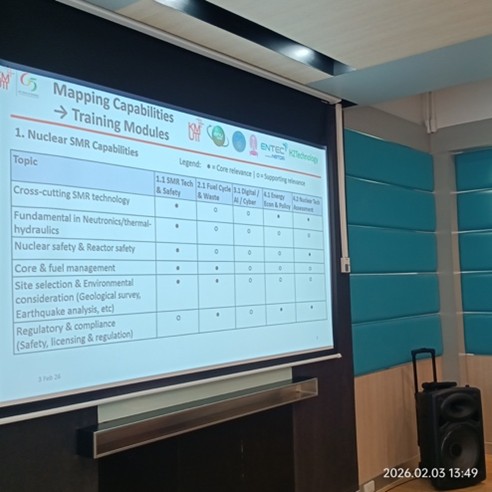
The afternoon session was dedicated to discussing the training curriculum design framework for SMR, clean heat, and hydrogen skills development, including a review of program structure and module scope.