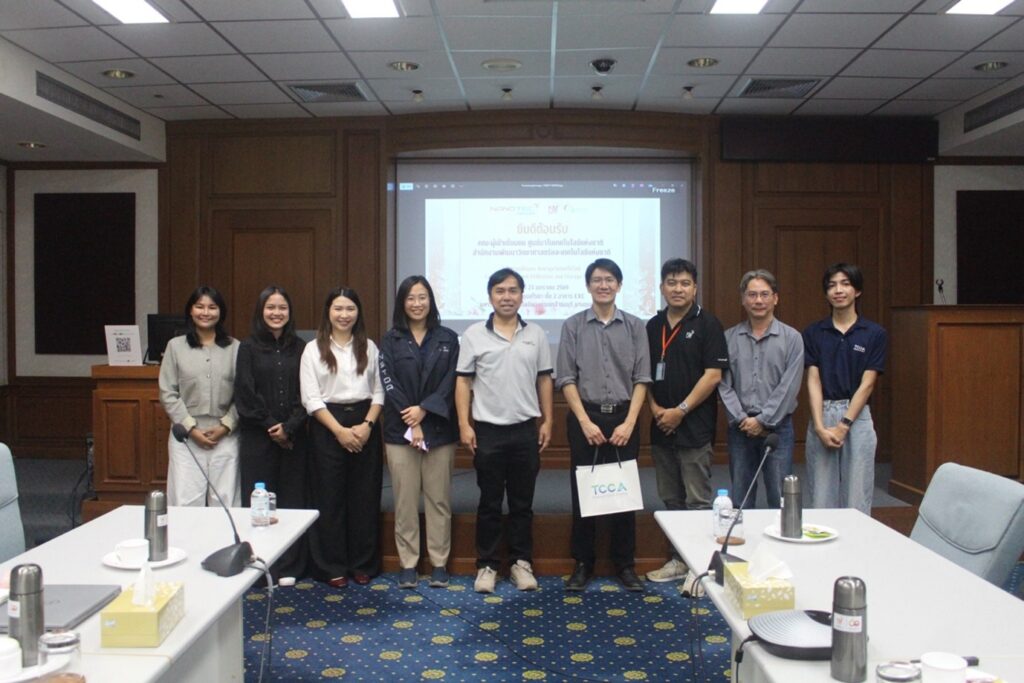
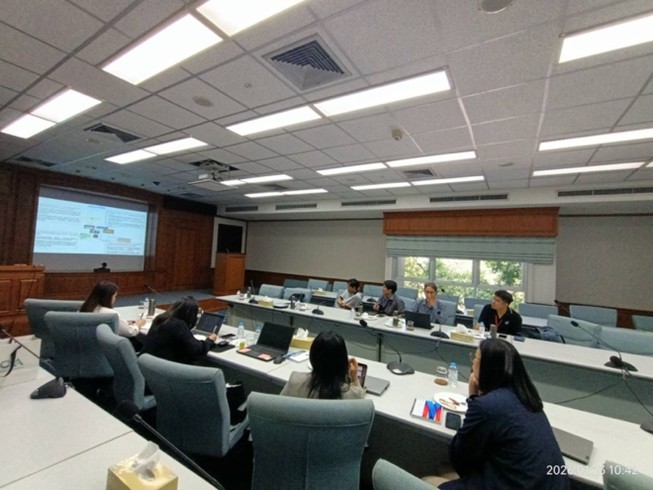
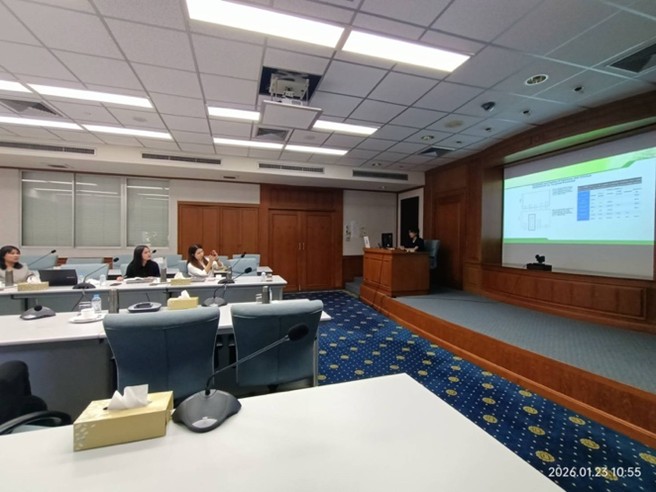
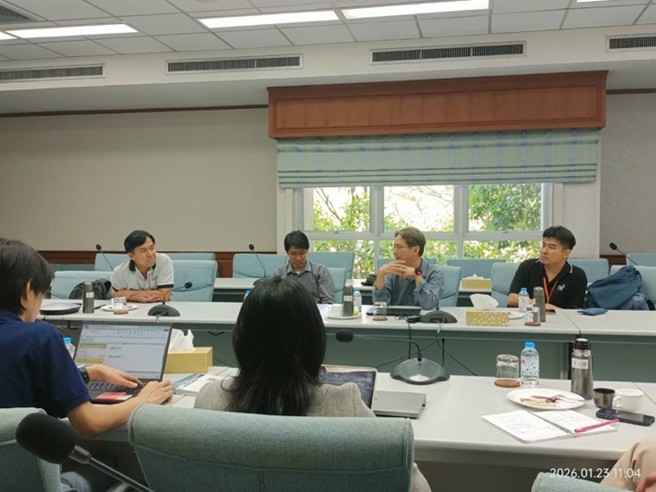
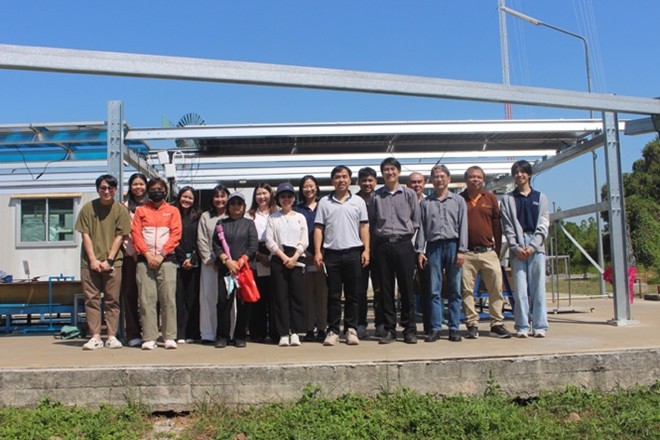
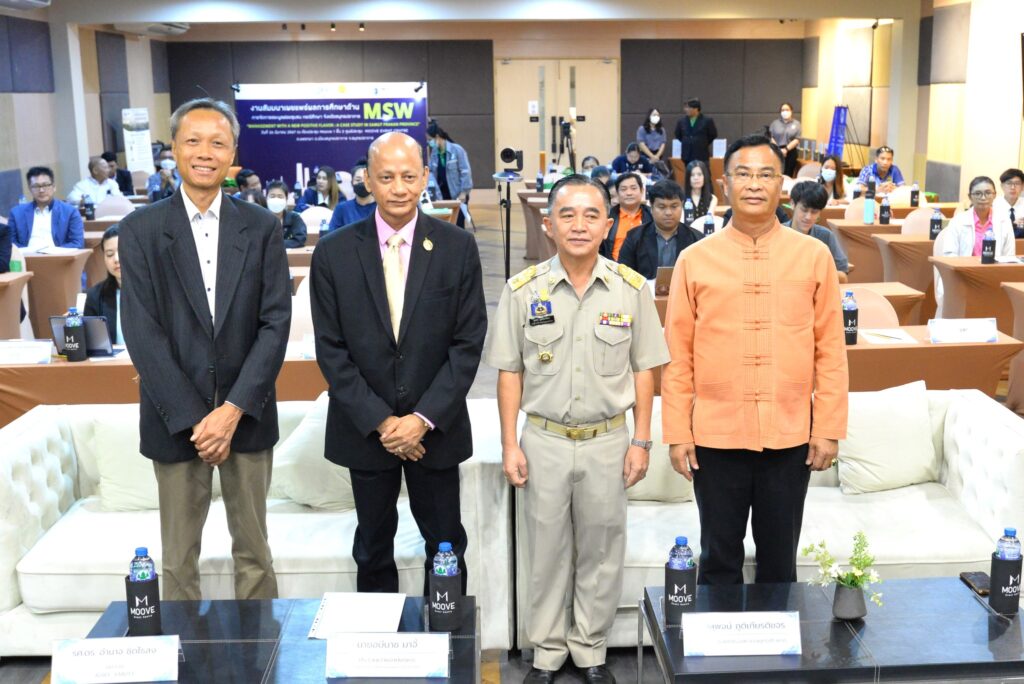
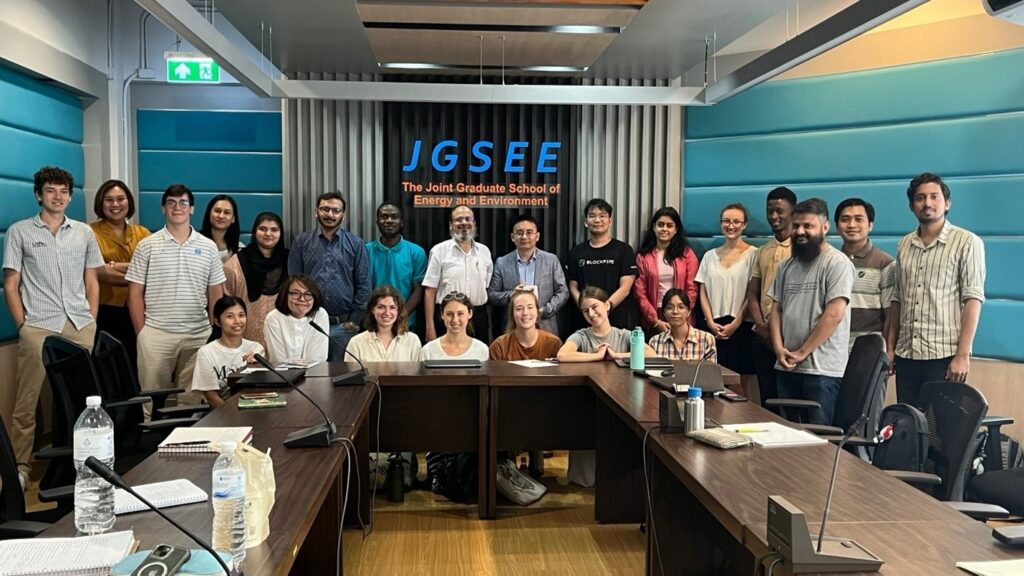
On 23 January 2026, a delegation from the National Nanotechnology Center (NANOTEC), led by Dr. Kajornsak Faungnawakij, Principal Researcher, visited the Joint Graduate School of Energy and Environment (JGSEE), King Mongkut’s University of Technology Thonburi (KMUTT), to exchange technical insights on carbon capture, utilization and storage (CCUS) technologies.
The visit was conducted under the Thailand Carbon Capture, Utilization and Storage Alliance (TCCA), with the objective of identifying technologies for inclusion in the database of CCUS technologies and solutions currently being developed by TCCA to support practical implementation in Thailand. Prof. Dr. Navadol Laosiripojana, Director of JGSEE and Manager of Hub Net Zero, welcomed the delegation, along with JGSEE researchers.
Key research initiatives presented during the meeting included a CO₂-to-e-methanol conversion pathway, photocatalytic reduction of CO₂ using photocatalysts in supercritical CO₂, the application of nano–micro-bubble processes for CO₂ absorption in water for biogas upgrading, and an assessment of the potential for carbon capture and storage (CCS) deployment in Thailand.
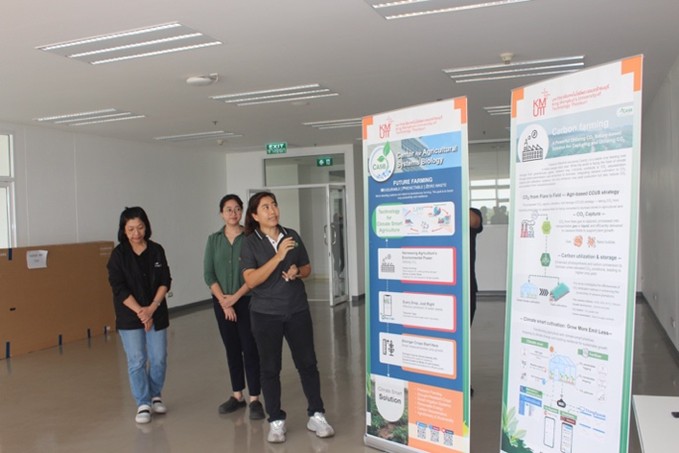
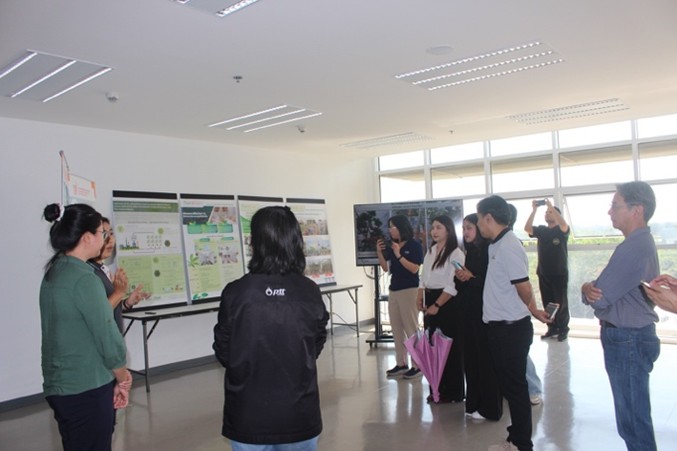
One of the highlights was the development of CO₂ utilization technology for precision yield enhancement by the Center for Agricultural Systems Biology at KMUTT. The project focuses on utilizing CO₂ from industrial sources to enhance cassava productivity while contributing to carbon sequestration, with support from the Program Management Unit for Human Resources & Institutional Development, Research and Innovation (PMU-B).
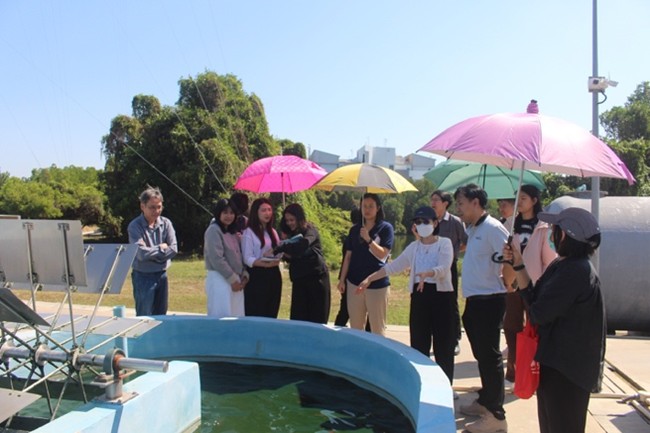
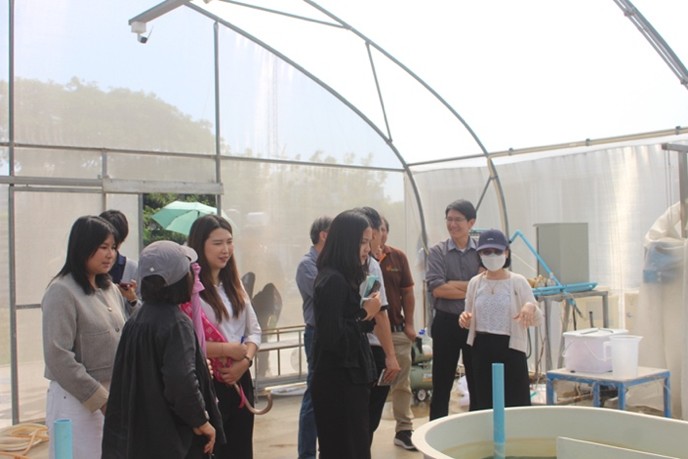
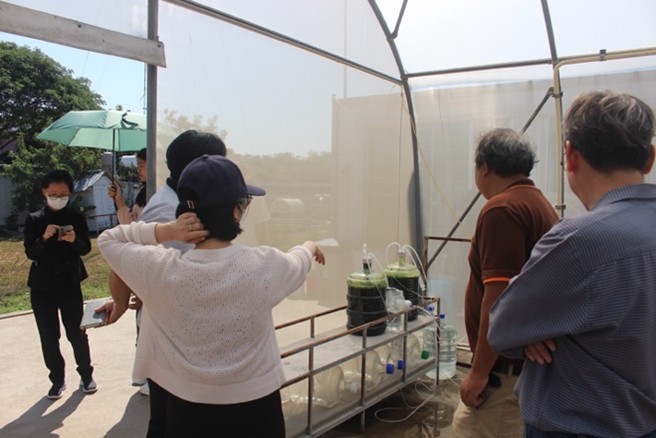
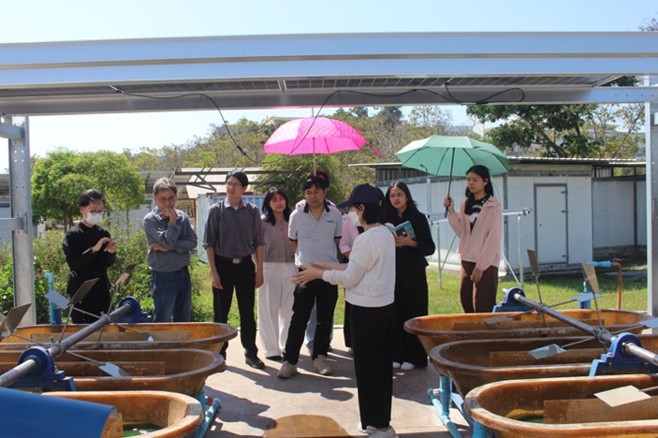
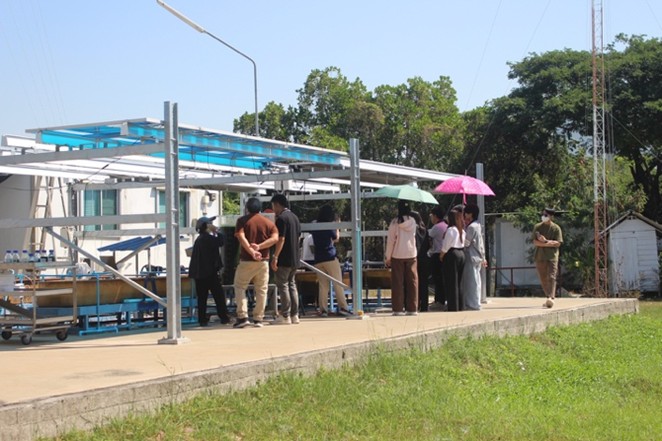
The delegation also visited the Pilot Plant Development and Training Institute (PDTI), where ongoing research on CO₂ nano-bubble applications for Spirulina cultivation was showcased.
The visit helped strengthen collaboration between TCCA, Hub Net Zero, and KMUTT, reinforcing efforts to advance CCUS technologies and accelerate the translation of research outcomes into practical solutions that support Thailand’s net zero transition.