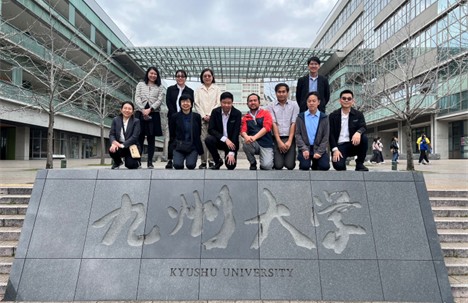
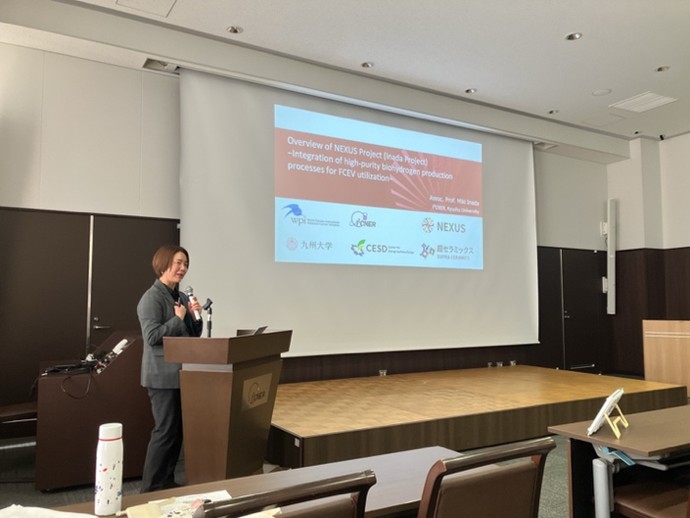
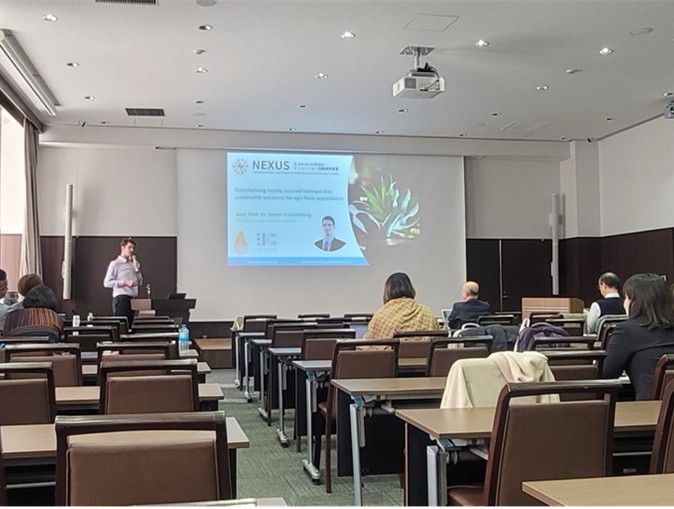
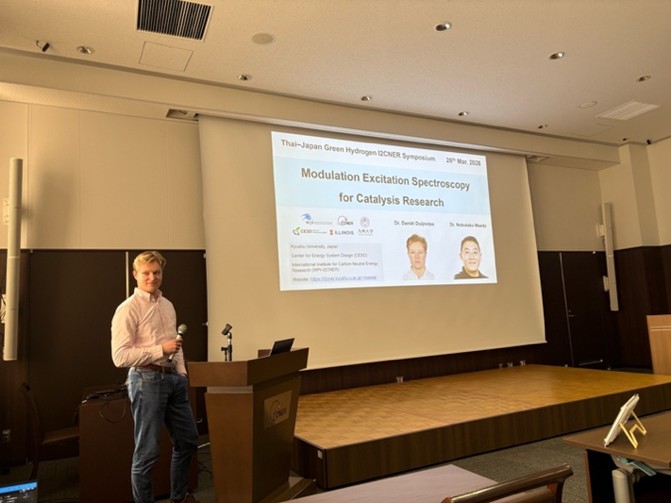
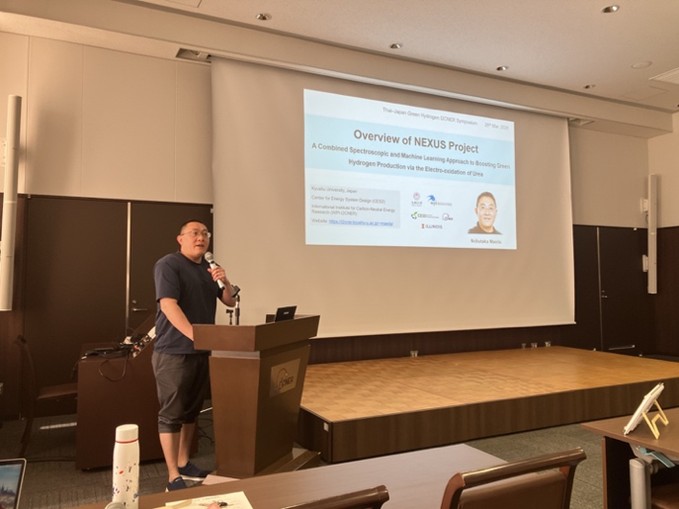
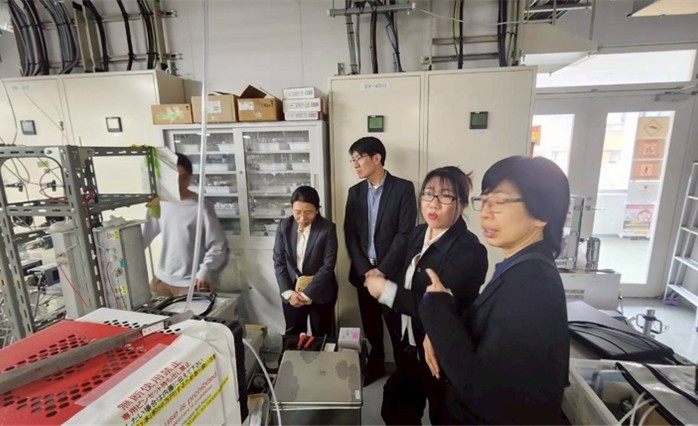
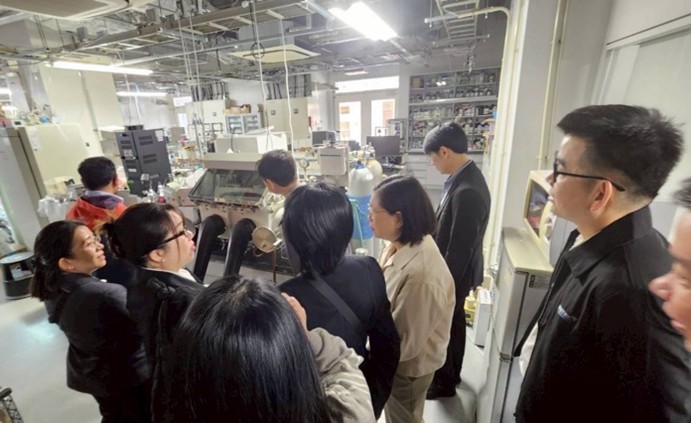
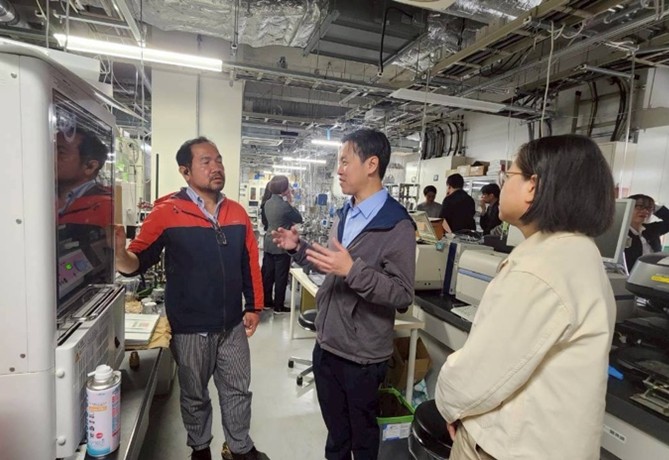
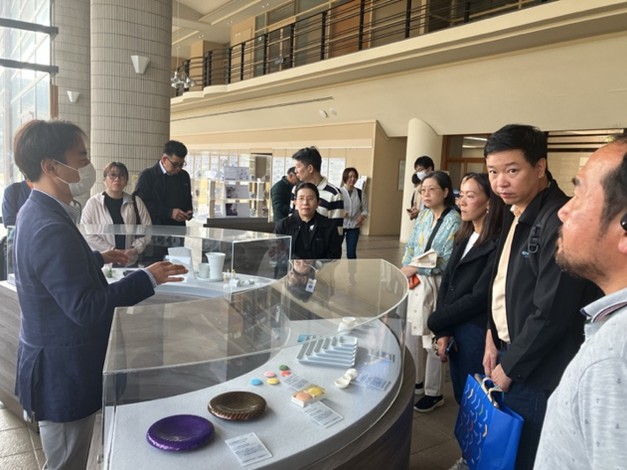
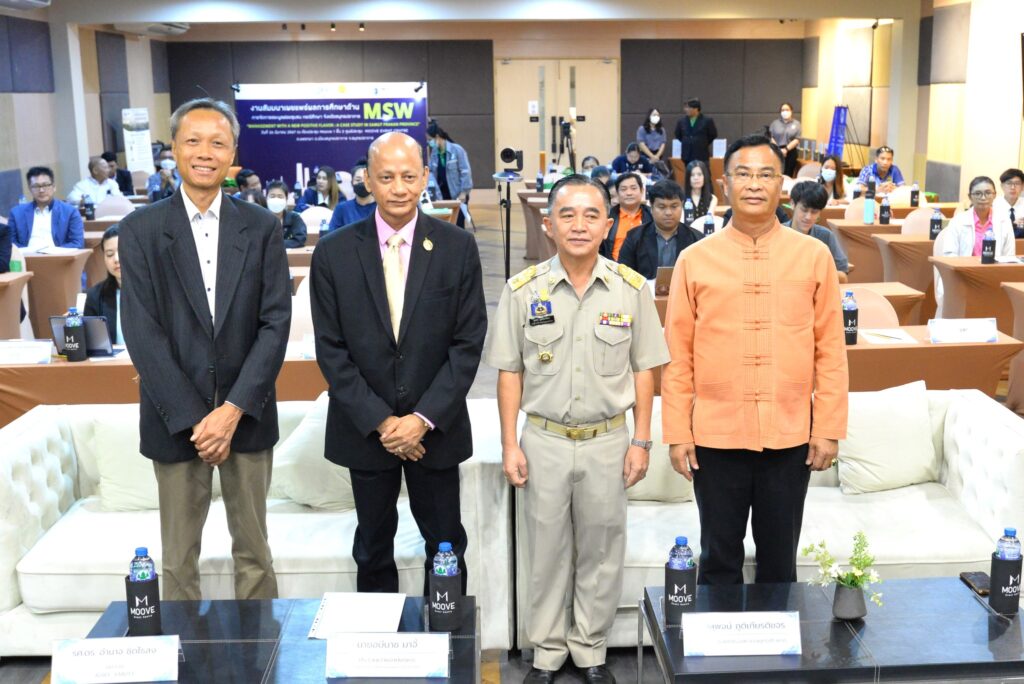
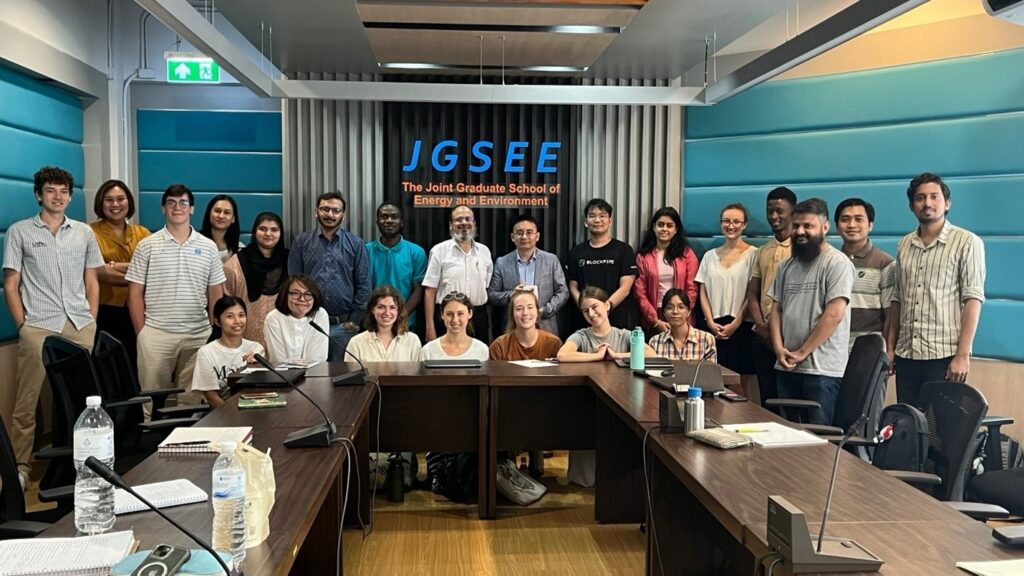
A Thai research delegation recently participated in the Thai–Japan Green Hydrogen I²CNER Symposium and a follow-up project meeting in Japan, reinforcing ongoing collaboration in advancing clean hydrogen technologies.
The visit is part of the joint research project, “Integration of High-Purity Biohydrogen Production Processes for FCEV Utilization,” led by Prof. Dr. Navadol Laosiripojana, Director of the Joint Graduate School of Sustainable Energy and Environment (JGSEE) at King Mongkut’s University of Technology Thonburi (KMUTT), and Assoc. Prof. Miki Inada of the International Institute for Carbon-Neutral Energy Research (I²CNER), Kyushu University. The Thai research team comprises JGSEE-KMUTT, the National Energy Technology Center (ENTEC), and the National Center for Genetic Engineering and Biotechnology (BIOTEC).
The collaborative research focuses on developing an innovative bio-photocatalytic process for hydrogen production directly from sunlight by integrating inorganic photocatalysts with biological enzymes. The project is funded under the NEXUS programme by the Japan Science and Technology Agency (JST) and Thailand’s Program Management Unit for Human Resources & Institutional Development, Research and Innovation (PMUB).
The Thai–Japan Green Hydrogen I²CNER Symposium was held on 26–27 March 2026 at Kyushu University, bringing together principal investigators from Japan and Thailand involved in projects under the NEXUS program. The symposium provided a platform to present recent research progress, exchange insights, and explore future directions in green hydrogen development.
On 30 March 2026, researchers from JGSEE-KMUTT, BIOTEC, and ENTEC participated in a project meeting hosted by I²CNER to discuss research updates and plan future activities.
The I²CNER team presented progress on a photo-biocatalytic hydrogen production system that combines photocatalysts with biological catalysts, along with analytical studies on cassava-derived materials used in the process. The Thai research team shared advancements in hydrogen-producing microbial systems, including the development of enriched cultures, evaluation of hydrogen production performance across different substrates, and the isolation and identification of promising bacterial strains using 16S rDNA sequencing and bioinformatic analysis. These findings suggest that newly isolated bacterial strains from Thailand hold strong potential for future integration into hydrogen production systems.
Discussions during the meeting also highlighted several areas for further exploration, including the potential use of cassava pulp extract as a sacrificial agent, optimization of recombinant biocatalytic systems, and the integration of Thai microbial strains into existing experimental platforms at I²CNER.
The meeting emphasized the importance of researcher mobility in strengthening collaboration. Plans were discussed for researcher exchanges, with two Thai researchers expected to visit Japan and one Japanese researcher to conduct research in Thailand.
Participants agreed to hold the next progress meeting in Thailand in early August 2026, marking another step forward in this ongoing partnership.