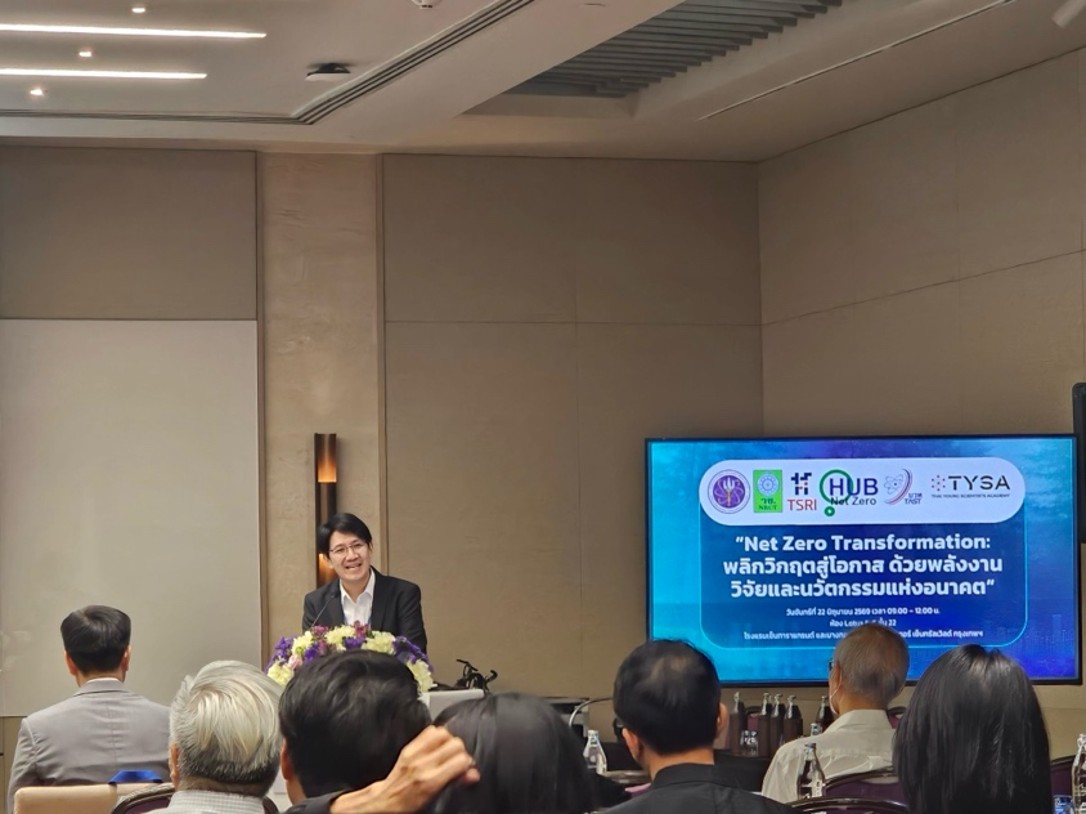
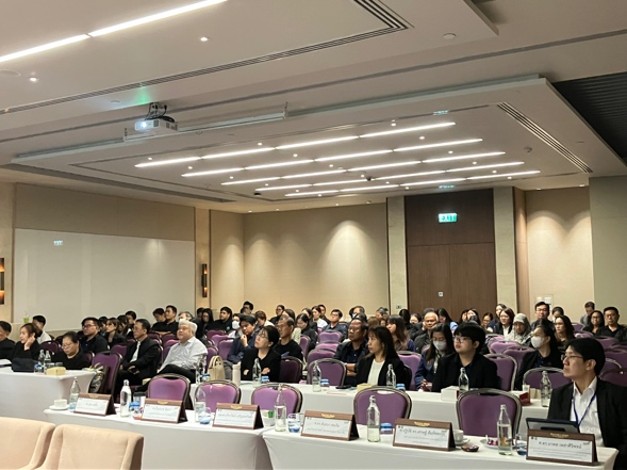
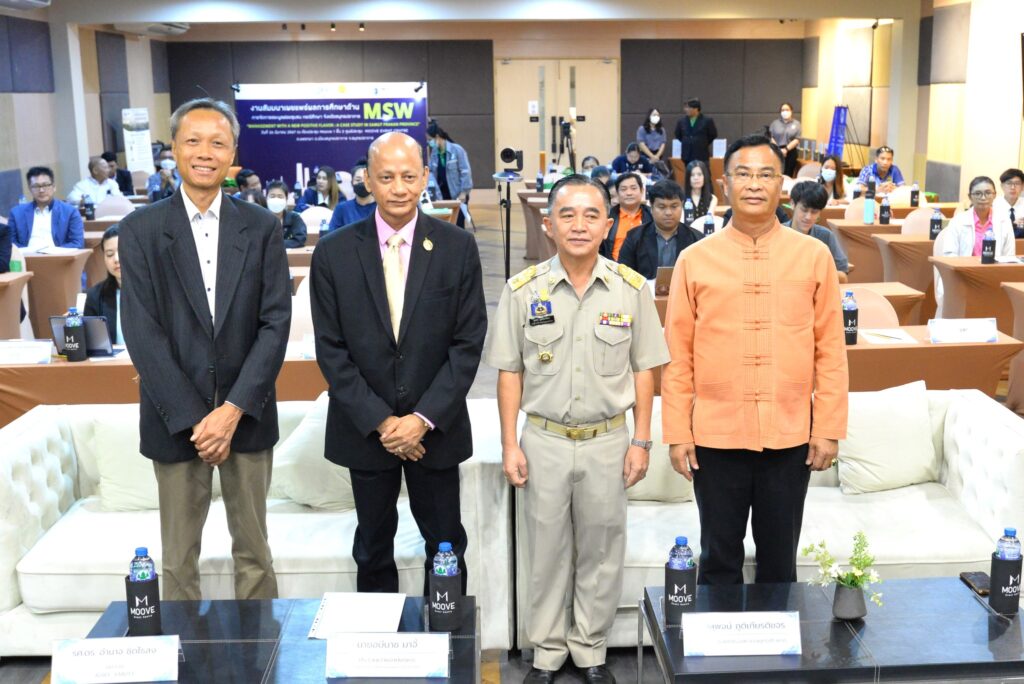
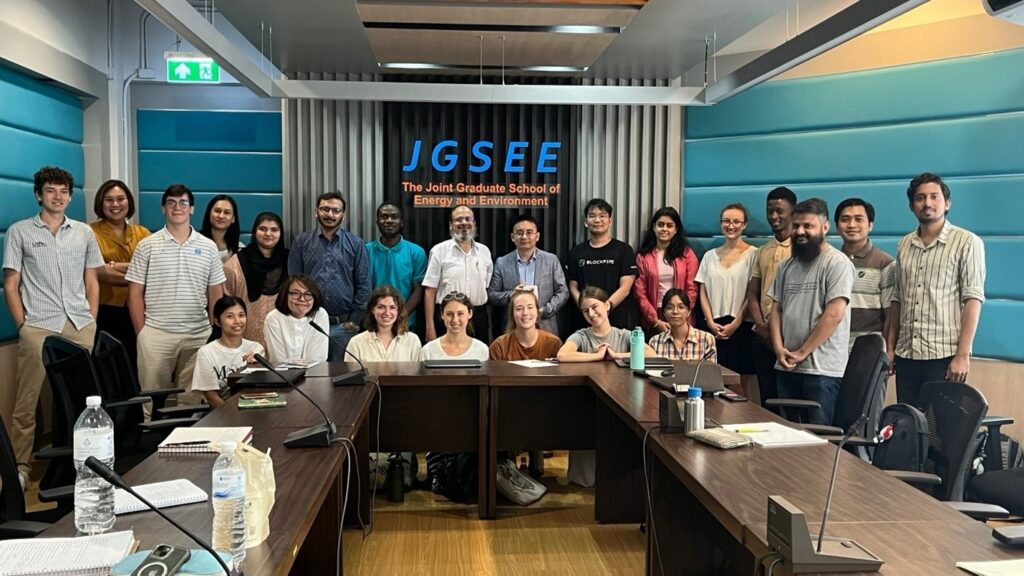
Hub Net Zero, in collaboration with the Thai Academy of Science and Technology (TAST) and the Thai Young Scientists Academy (TYSA), organized the seminar “Net Zero Transformation: Turning Challenges into Opportunities” on 22 June 2026 at the Centara Grand & Bangkok Convention Centre at CentralWorld. The seminar was held as part of the Thailand Research Expo & Symposium 2026, organized by the National Research Council of Thailand (NRCT), taking place from 22–26 June 2026.
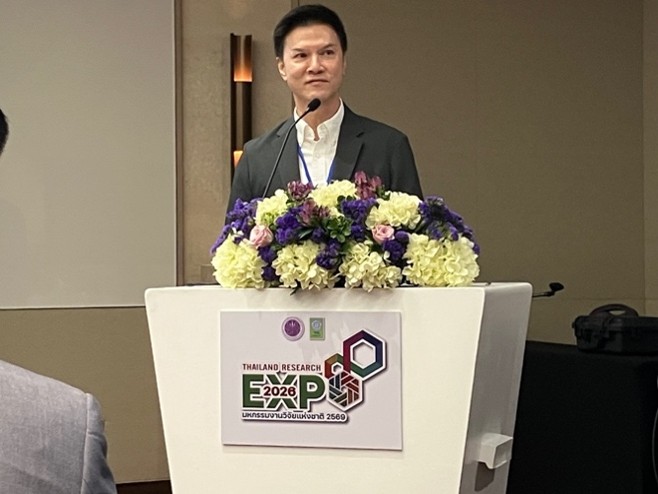
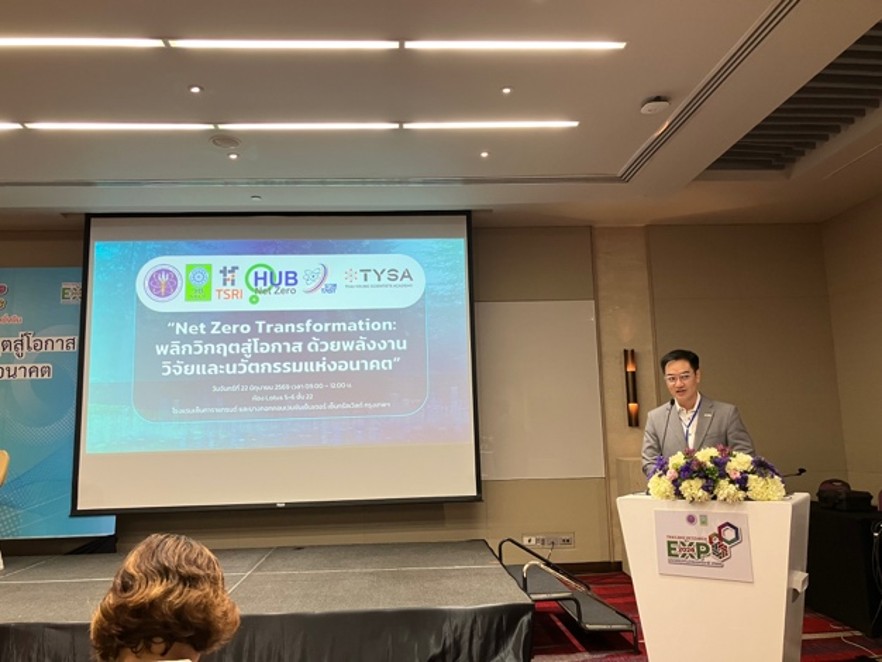
The seminar was officially opened by Prof. Dr. Navadol Laosiripojana, Director of the Joint Graduate School of Sustainable Energy and Environment (JGSEE) at King Mongkut’s University of Technology Thonburi (KMUTT), Manager of Hub Net Zero, and President of TAST. In his opening remarks, Prof. Navadol emphasized the critical role of research, innovation, and collaboration in accelerating Thailand’s transition toward net zero emissions and transforming climate challenges into opportunities for sustainable growth. He also introduced the missions of TAST and Hub Net Zero and reaffirmed their commitment to supporting Thailand’s net zero transition through science, research, and innovation.
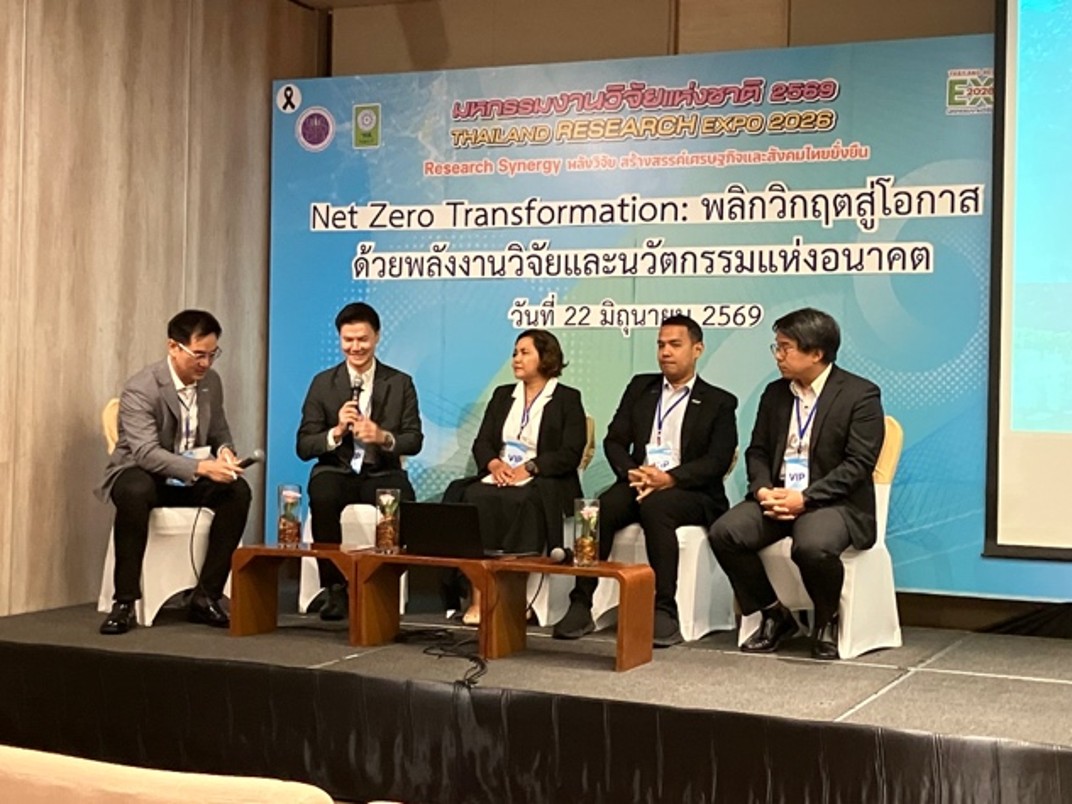
The seminar brought together leading experts from academia and research institutions to share perspectives and emerging solutions for Thailand’s climate and energy transition.
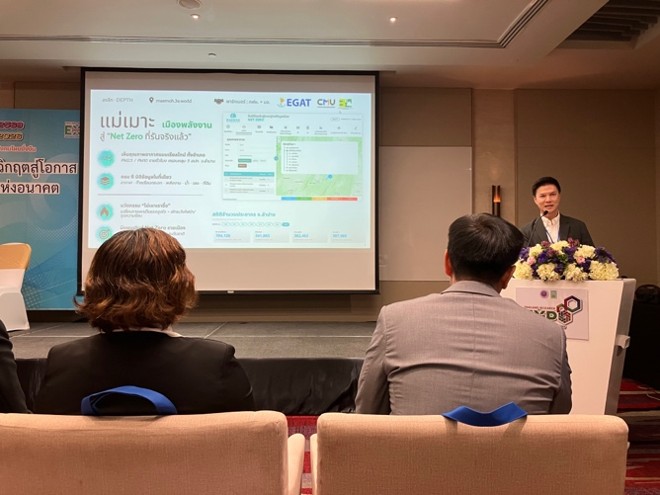
Prof. Dr. Sate Sampattagul, Director of the University Academic Service Center (UNISERV) and Head of the Research Unit for Energy, Economic and Ecological Management (3E) at Chiang Mai University, highlighted Thailand’s efforts to strengthen life cycle assessment capabilities through the development of life cycle inventory (LCI) databases. He also presented an ongoing collaboration with the Thailand Greenhouse Gas Management Organization (TGO) to establish a database system for provincial-level greenhouse gas inventories, as well as the technical support provided to the Department of Industrial Promotion’s initiative to assist Thai SMEs in their transition toward a Bio-Circular-Green (BCG) Economy. He concluded by emphasizing that net zero should be viewed not as a cost, but as an investment in a sustainable future economy, and underscored the importance of robust data systems as a foundation for informed decision-making and effective climate action.
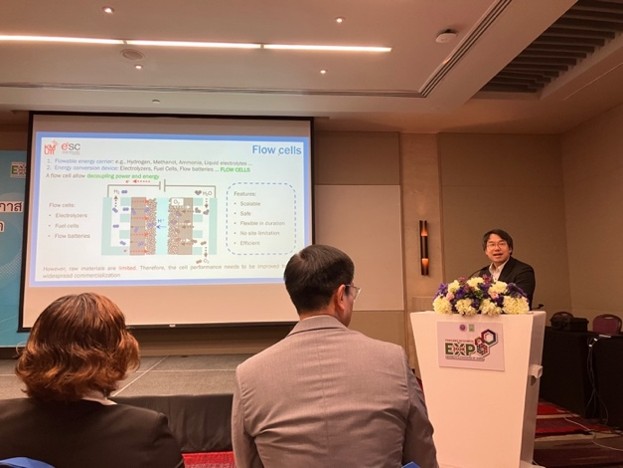
Asst. Prof. Dr. Patcharawat Charoen-amornkitt, from the Department of Mechanical Engineering at KMUTT and a member of TYSA, highlighted the role of electrochemical technologies in enabling the net zero transition. His presentation focused on how advances in electrochemical systems can support smart energy management, enhance energy efficiency, and promote sustainable energy use. He also introduced his research on designing advanced electrochemical interfaces to make clean energy technologies more efficient, durable, scalable, and affordable.
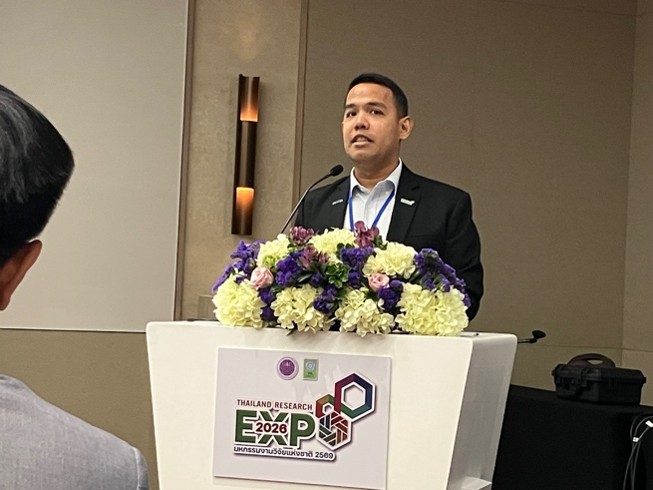
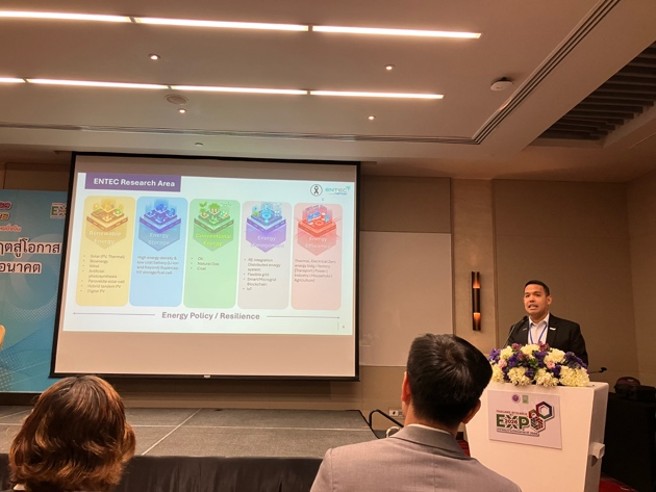
Dr. Kampanart Silva, from the National Energy Technology Center (ENTEC), National Science and Technology Development Agency (NSTDA), discussed the crucial roles of the energy and transport sectors in supporting Thailand’s net zero ambitions. He outlined emerging renewable and clean energy technologies, including small modular reactors (SMRs), biofuels, and H-FAME premium biodiesel, that could help accelerate the country’s transition to a low-carbon future.
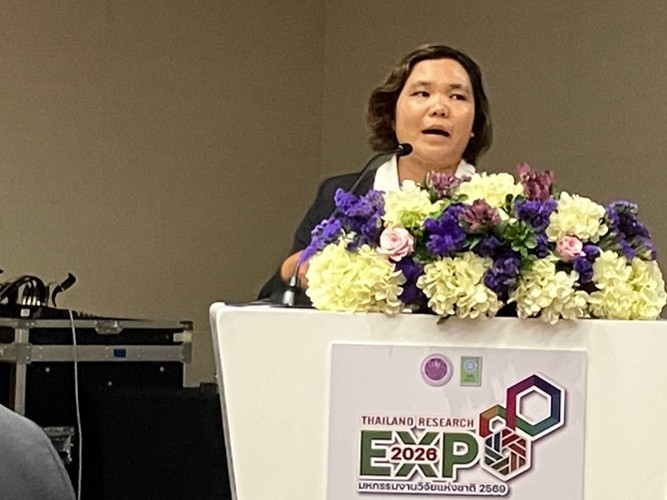
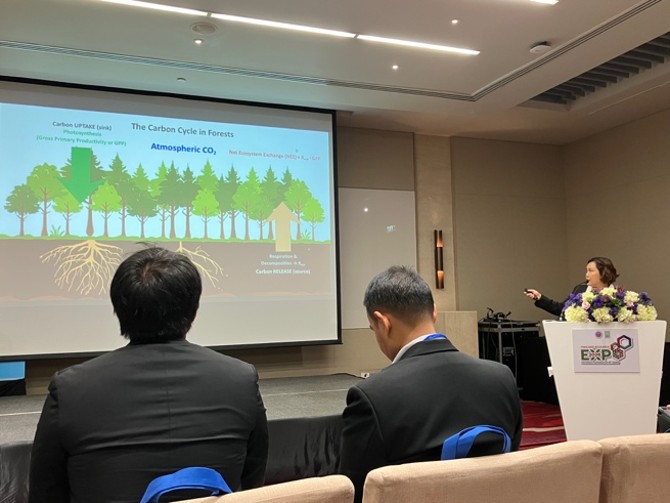
Prof. Dr. Pantana Tor-ngern, from the Department of Environmental Science, Faculty of Science, Chulalongkorn University, highlighted the vital role of forests in the carbon cycle and emphasized the need for Thailand to strengthen carbon flux measurements in forest ecosystems. Such efforts, she noted, would support climate diplomacy, unlock climate finance opportunities, and facilitate carbon credit trading. She also presented her pioneering research at Khao Yai National Park, which provides a scientific foundation for IPCC Tier 3 forest carbon accounting through continuous monitoring of carbon stocks using country-specific data.
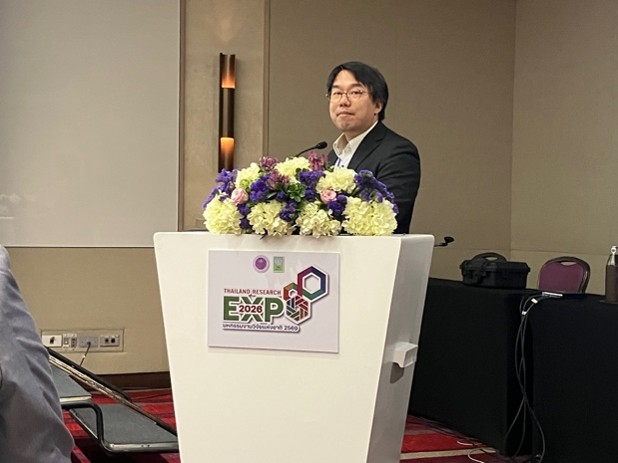
The session was moderated by Dr. Udom Sae-Ueng, Researcher at the National Center for Genetic Engineering and Biotechnology (BIOTEC), NSTDA, and Co-Chair of TYSA. He also provided participants with an introduction to TYSA and its mission to foster young scientific talent and strengthen collaboration among early-career researchers.
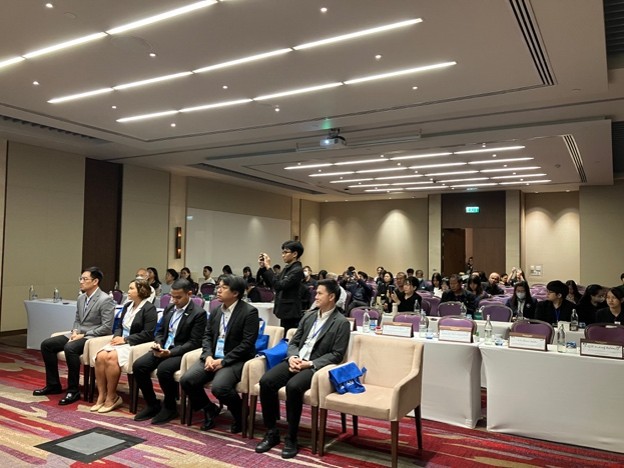
The seminar served as a platform for knowledge exchange among researchers, policymakers, and stakeholders, highlighting how science, research, and innovation can turn the challenges of climate change into opportunities and drive Thailand’s journey toward a net zero future.