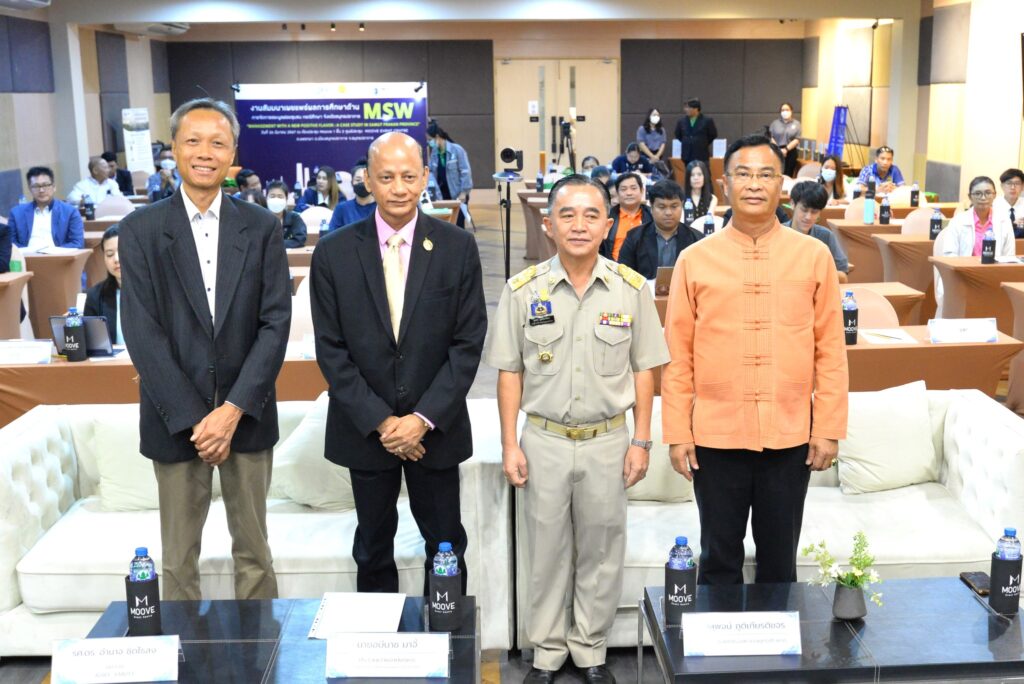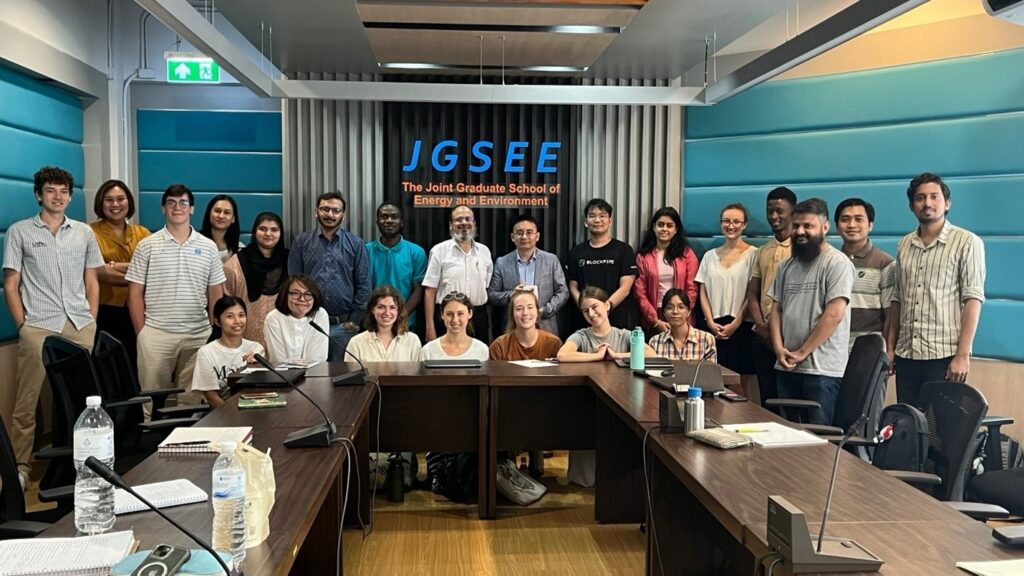

The Energy Transition Workforce Skills Program was officially launched on 2 July 2026 at the Queen Sirikit National Convention Center (QSNCC). The event was organized by the Joint Graduate School of Energy and Environment (JGSEE), King Mongkut’s University of Technology Thonburi (KMUTT), in collaboration with partner organizations, including Hub Net Zero.
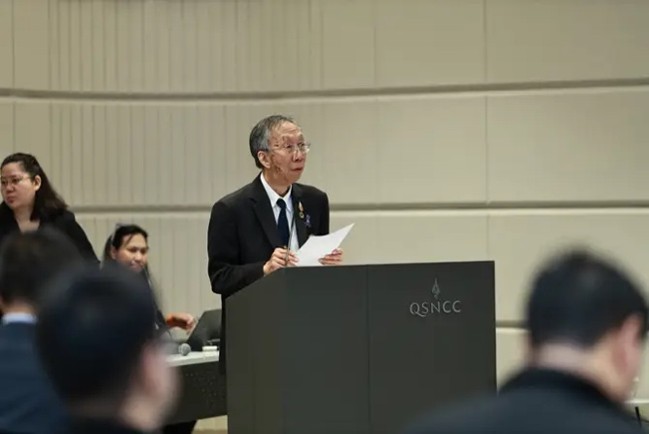
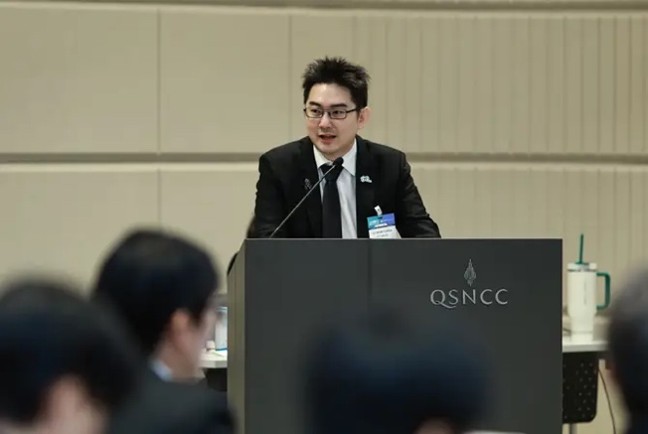
The launch brought together executives and representatives from government agencies, academia, industry, and partner organizations committed to advancing Thailand’s clean energy transition. Assoc. Prof. Dr. Suvit Saetia, President of KMUTT, delivered the welcome remarks, while Dr. Rattapoom Tuchinda, Deputy Director of the Program Management Unit for Frontier Brainpower and Future Industries (PMU-B), officially opened the event.
The Energy Transition Workforce Skills Program is designed to equip working professionals with advanced knowledge and practical skills in small modular reactors (SMRs), clean heat, and hydrogen technologies. The initiative is a collaborative effort among academic institutions, government agencies, and industry partners to strengthen Thailand’s workforce capacity in emerging clean energy technologies and support the country’s long-term energy security and low-carbon transition.
The program is led by JGSEE, with key partners including the Department of Nuclear Engineering, Chulalongkorn University; the Office of Atoms for Peace (OAP); the Thailand Institute of Nuclear Technology (TINT); the National Energy Technology Center (ENTEC) of the National Science and Technology Development Agency (NSTDA); and H2Technology LLC, USA. The project is supported by funding from PMU-B.
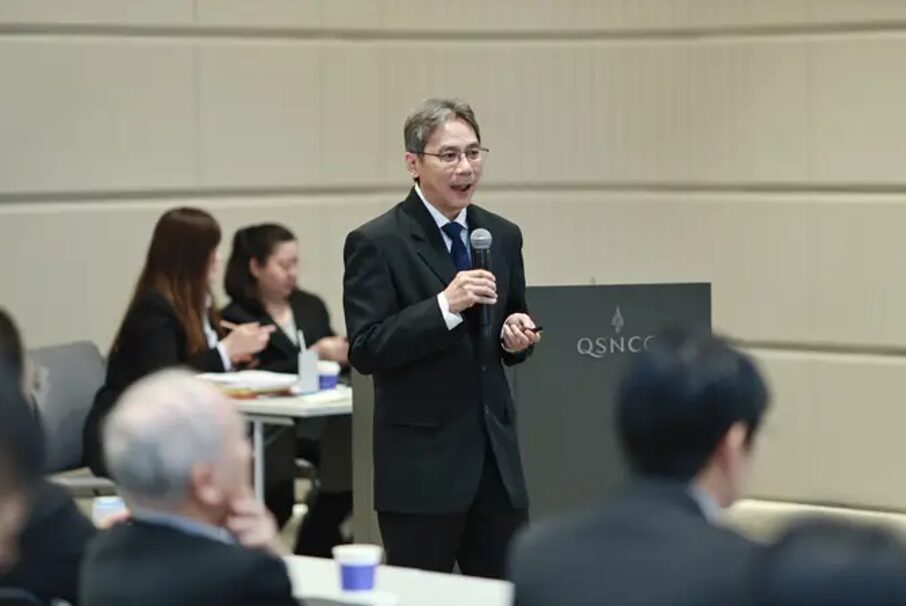
Assoc. Prof. Dr. Pipat Chaiwiwatworakul, Chair of the Energy Division at JGSEE and Project Leader, explained that the program is delivered through a modular curriculum in a hybrid format, combining online and on-site learning to accommodate working professionals. The program brings together international experts from the International Atomic Energy Agency (IAEA), the United States, Canada, and Germany, along with industry partners who contribute their expertise to the program’s development and implementation.
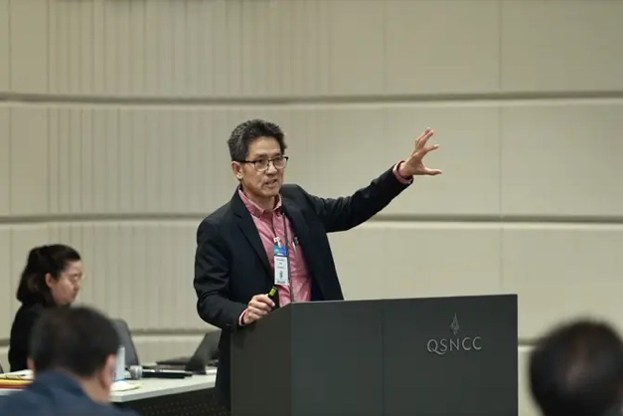
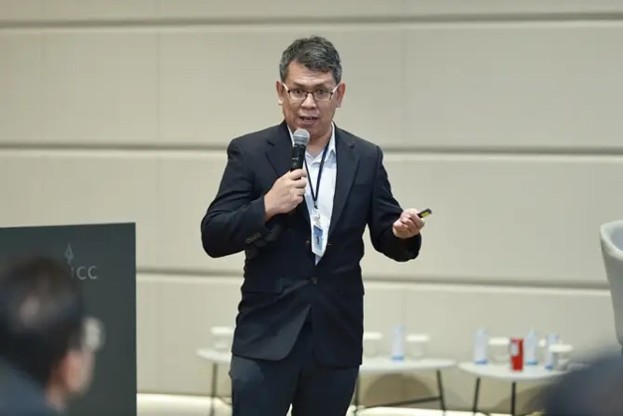
The event also featured presentations by Dr. Wison Luangdilok, a nuclear energy expert affiliated with H2Technology LLC and JGSEE, and Assoc. Prof. Dr. Somboon Rassame from the Department of Nuclear Engineering, Chulalongkorn University. Dr. Wison shared insights into ongoing SMR projects in the United States and Canada, as well as reactor designs and licensing processes. Assoc. Prof. Dr. Somboon discussed Thailand’s current readiness for developing an SMR workforce and outlined the degree and professional training programs offered by his department.
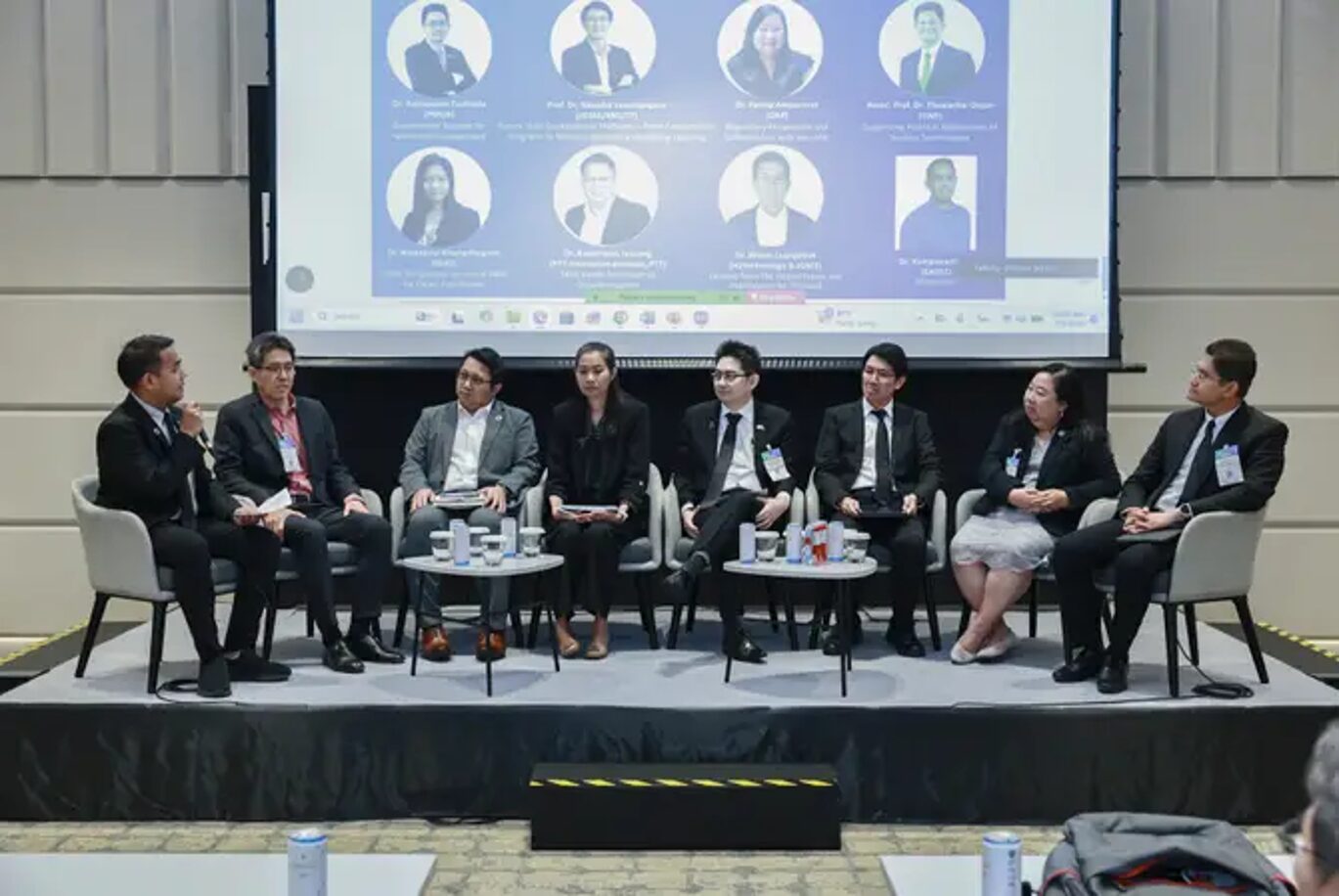
A panel discussion concluded the event, bringing together representatives from academia, government, industry, and the funding agency to discuss collaborative approaches to developing the skilled workforce needed to support Thailand’s future nuclear energy development. Panelists included Dr. Rattapoom Tuchinda (PMU-B), Prof. Dr. Navadol Laosiripojana (JGSEE), Dr. Pantip Ampornrat (OAP), Assoc. Prof. Dr. Thawachai Onjun (TINT), Dr. Nateekool Kriangchaiporn (EGAT), Dr. Bavornpon Jansang (PTT), and Dr. Wison Luangdilok (H2Technology LLC).
The Energy Transition Workforce Skills Program represents an important step toward strengthening Thailand’s human capital for the clean energy transition by fostering cross-sector collaboration and developing expertise in technologies that will play a critical role in the country’s future energy system.